For Australian farmers, protecting baled fodder from moisture, oxygen and weather exposure is essential for maintaining feed quality. Bale wrap provides a practical way to preserve silage and other forage by creating a protective barrier around the bale. Whether you’re managing a mixed farm in Victoria, a dairy operation in Tasmania or a broadacre property in New South Wales, choosing the right wrapping material can make a significant difference to storage outcomes. Understanding bale wrap types, application methods, and storage requirements helps farmers reduce spoilage, protect valuable feed, and achieve better results every baling season.
What Is Bale Wrap?
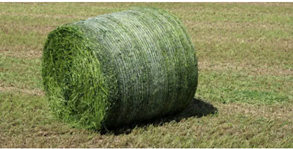
Bale wrap is a stretchable plastic film designed primarily for wrapping silage bales. It is applied around freshly baled forage using specialised wrapping equipment, with multiple layers forming a relatively airtight barrier.
Unlike traditional hay bales, silage bales need protection from oxygen and excess moisture after wrapping. When applied correctly, bale wrap helps create the conditions needed for fermentation while shielding the forage from rain and other environmental exposure.
The film must be strong enough to stretch around the bale without tearing while maintaining a consistent seal. This is particularly important in Australian farming conditions, where intense sunlight, heat and variable weather can place additional demands on agricultural plastics.
Why Quality Bale Wrap Matters
The quality of the wrapping film can influence how well a bale remains protected during storage. A weak or inconsistent film may puncture during handling, while poor stretching can leave gaps that let air in.
High-quality silage wrap is designed to provide reliable stretch, puncture resistance and adhesion between layers. These characteristics help create a secure barrier around the bale.
Using suitable film can also reduce the risk of damaged bales requiring additional wrapping or early use.
Choosing Bale Wrap for Australian Conditions
No single product suits every farm. Consider bale size, forage type, wrapping equipment, storage duration, and local weather conditions when selecting agricultural bale wrap.
Farmers should check the film manufacturer’s specifications for recommended stretch levels and application settings. The wrapper should also be properly maintained and adjusted to ensure the film is applied evenly.
In hotter regions of Australia, UV stability deserves particular attention, especially if wrapped bales will remain outdoors. Storage location matters too. Even quality bale wrap can be damaged by sharp objects, rough handling or prolonged exposure to harsh conditions.
Best Practices for Wrapping Silage Bales
Correct application is just as important as choosing the right agricultural packaging solution. Wrap freshly baled forage promptly, following the equipment manufacturer’s recommendations.
Inspect Before Storage
After wrapping, inspect each bale for visible holes, tears or loose sections. Small punctures can compromise the protective barrier and should be repaired using tape or a suitable film repair product.
Handle Bales Carefully
Use appropriate bale-handling equipment and avoid unnecessary contact with sharp edges or implements. Dropping or dragging wrapped bales can damage the film and create openings.
Store Bales on a Suitable Surface
A clean, well-drained storage area helps minimise the risk of punctures and water exposure. Keep bales away from sharp debris, fences, machinery and other objects that could damage the film.
Monitor Stored Bales
Regular inspections can identify damaged wrapping before the problem worsens. Look for holes, loose film, signs of animal damage or other visible deterioration.
Bale Wrap and Environmental Responsibility
Agricultural plastic provides valuable protection, but used film needs responsible disposal. Farmers should avoid burning plastic on-farm because inappropriate disposal can create environmental and safety risks.
Where available, agricultural plastic recycling programs can provide a better disposal pathway. Generally, collect used film, keep it as clean as possible, and dispose of it according to local recycling requirements.
For Australian farmers, checking with local councils, agricultural recycling services or relevant industry programs can help identify available options for used bale wrap.
Get Better Results From Every Bale
Good bale preservation starts with the right combination of forage moisture, baling technique, wrapping equipment, film quality and storage practices. No wrapping product can compensate for poor preparation or damaged film.
When selecting bale wrap, consider your farm’s needs rather than choosing based on price alone. A dependable product that performs consistently can help protect valuable fodder throughout storage and reduce avoidable losses.
Speak with an agricultural supplier about the right wrapping film for your baler and wrapper, and for your local conditions, and make sure your equipment is correctly adjusted before the next season begins.
Conclusion
Reliable bale wrap is an important part of modern silage production in Australia. The right film, applied correctly and combined with careful handling and suitable storage, helps protect baled forage from air, moisture and physical damage. By assessing film quality, equipment compatibility, UV resistance and disposal options, farmers can make a more informed purchasing decision and protect the feed they have worked hard to produce.
Frequently Asked Questions
1. What is bale wrap used for?
Bale wrap primarily protects silage bales by creating a sealed barrier that limits exposure to oxygen and moisture.
2. How many layers of bale wrap should be used?
The appropriate number depends on the film, forage, bale size and manufacturer’s recommendations. Always follow the film supplier’s application guidelines.
3. Can bale wrap be used for hay?
Traditional dry hay generally does not require the same stretch film as silage. Select purpose-specific products and storage methods based on moisture content and the intended preservation method.
4. How should wrapped silage bales be stored?
Store them on a clean, well-drained surface away from sharp objects, machinery and other potential sources of punctures or damage.
5. Can used bale wrap be recycled?
In some Australian regions, agricultural plastic recycling services accept used bale wrap. Availability varies, so farmers should check local recycling programs and disposal requirements.
This version is structured for search visibility while keeping the keyword usage natural and avoiding forced repetition.