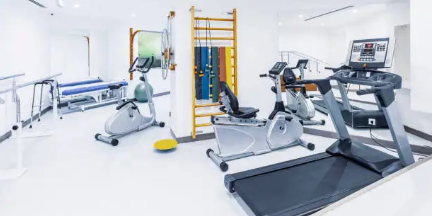
In recent years, VALD has become one of the most trusted technologies used by sports scientists, physiotherapists, strength coaches, and rehabilitation specialists. Across Adelaide, SA, healthcare providers and performance facilities are increasingly adopting data-driven tools to assess movement, monitor recovery, and improve athletic outcomes. By combining innovative hardware with sophisticated software analytics, VALD systems help professionals make informed decisions that support both injury prevention and performance enhancement.
Whether working with elite athletes, recreational sports participants, or individuals recovering from injury, modern practitioners are turning to technology to gain objective insights that traditional assessments may miss.
Understanding VALD Technology
Performance testing has evolved significantly over the past decade. Instead of relying solely on observation and subjective evaluations, practitioners can now measure physical capabilities with a high degree of accuracy.
VALD provides a suite of integrated technologies designed to assess strength, movement quality, balance, flexibility, and neuromuscular function. These tools collect real-time data that allows clinicians and coaches to evaluate an individual’s physical condition and monitor progress over time.
The information gathered helps identify weaknesses, asymmetries, and movement deficiencies that may contribute to injury risk or reduced performance. This evidence-based approach supports more effective rehabilitation and training programs.
Why Adelaide Clinics and Performance Centres Are Adopting Data-Driven Assessments
Adelaide has a strong sporting culture, with participants ranging from community-level athletes to elite competitors. As demand for advanced rehabilitation and performance services grows, clinics are increasingly investing in technology that delivers measurable outcomes.
Rather than relying on assumptions, practitioners can use quantifiable data to guide every stage of rehabilitation and athlete performance development.
Key Tools Used in Modern Performance Assessment
One reason these systems have gained widespread popularity is the variety of tools available for different assessment needs.
ForceDecks
Force plates are among the most recognised technologies used in sports science. They measure how an individual produces and absorbs force during movements such as jumping, landing, and squatting.
By analysing force production patterns, practitioners can identify limb imbalances, monitor fatigue levels, and assess recovery following injury.
Dynamo
Handheld dynamometry allows clinicians to measure muscle strength with precision. This tool is commonly used during rehabilitation programs to assess muscle function and monitor improvements over time.
Strength data can help determine whether a patient is ready to progress to more demanding activities or return to sport safely.
HumanTrak
Movement analysis systems provide detailed insights into mobility, posture, and movement mechanics. These assessments are valuable for identifying restrictions that may affect athletic performance or contribute to recurring injuries.
Movement screening also supports the development of targeted corrective exercise programs.
SmartSpeed
Sporting organisations widely use speed and agility testing systems to evaluate athletic performance. Coaches can monitor acceleration, reaction times, and movement efficiency using objective metrics.
These insights assist with training program design and athlete development strategies.
Enhancing Injury Rehabilitation Outcomes
One of the most significant benefits of advanced assessment technology is its role in rehabilitation.
Recovering from injury often requires more than symptom management. Clinicians need reliable information about strength, movement quality, and functional capacity before progressing treatment.
For patients in Adelaide recovering from sports injuries, orthopaedic procedures, or musculoskeletal conditions, these insights can contribute to more efficient rehabilitation pathways.
Supporting Injury Prevention Strategies
Preventing injuries is often more effective than treating them after they occur. Advanced assessment tools allow practitioners to identify risk factors before they become significant problems.
Common issues that can be detected include:
● Muscle imbalances
● Reduced strength capacity
● Poor landing mechanics
● Limited mobility
● Asymmetrical movement patterns
Once identified, these factors can be addressed through targeted exercise programs designed to improve resilience and reduce injury risk.
This proactive approach is particularly valuable for athletes participating in high-demand sports where physical performance and durability are critical.
Improving Athletic Performance
Beyond rehabilitation, performance optimisation is a major reason why many sporting organisations utilise advanced testing technology.
Athletes constantly seek ways to improve speed, power, strength, and efficiency. Objective performance data provides valuable feedback that can guide training decisions and highlight areas for improvement.
Regular testing enables coaches and athletes to:
● Track performance development
● Measure training effectiveness
● Identify performance limitations
● Optimise conditioning programs
● Monitor readiness for competition
With measurable benchmarks available, athletes can make informed adjustments to their training strategies and maximise their potential.
The Growing Future of Sports Science in Adelaide
As sports science continues to evolve, technology-driven assessments are becoming a standard component of modern healthcare and athletic development. Adelaide’s growing network of physiotherapy clinics, rehabilitation providers, and performance centres reflects this shift toward evidence-based practice.
Advancements in data collection, analytics, and movement assessment are helping practitioners deliver more personalised care while improving patient outcomes. At the same time, athletes benefit from deeper insights into their physical capabilities and recovery processes.
The integration of objective testing technologies is expected to expand further as organisations seek more accurate ways to evaluate performance, reduce injury risk, and enhance rehabilitation success.
Conclusion
The rise of VALD technology has transformed the way clinicians, physiotherapists, and sports performance professionals assess movement and physical function. Through sophisticated tools that measure strength, balance, mobility, and athletic performance, practitioners can make more informed decisions throughout rehabilitation and training programs.
As Adelaide continues to embrace innovation in healthcare and sports science, VALD remains at the forefront of evidence-based assessment and performance optimisation. From injury recovery to elite athlete development, these advanced technologies are helping individuals achieve safer, faster, and more measurable results.