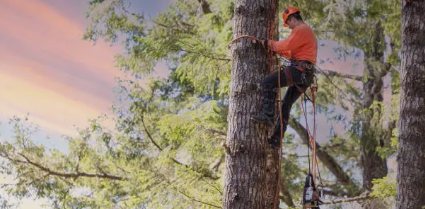
Many Adelaide Hills homeowners assume the greatest bushfire danger comes from dead trees, dry grass, or obvious piles of fallen branches. While these hazards certainly deserve attention, some of the biggest risks are often hidden in plain sight. A seemingly healthy gum tree or a lush ornamental tree can contribute to fire intensity without showing any visible signs of danger.
That’s why consulting an arborist Adelaide Hills homeowners trust can make a significant difference before the fire season begins. Understanding how trees influence bushfire behaviour helps you protect your property while preserving the natural beauty that makes the Adelaide Hills such a desirable place to live.
Healthy Trees Can Still Become Bushfire Hazards
A tree doesn’t have to be dying to create a fire risk. In fact, many healthy trees can unintentionally help a bushfire spread more quickly under certain conditions.
● Dense canopies can carry flames between trees. When branches from neighbouring trees touch or overlap, fire can move rapidly through the canopy, increasing a bushfire’s speed and intensity.
● Lower branches create “ladder fuels.” Vegetation close to the ground allows flames to climb from grass and shrubs into the tree canopy, making fires harder to control.
● Accumulated bark and leaf litter add fuel. Species common throughout the Adelaide Hills, particularly some eucalyptus varieties, naturally shed bark and leaves that can build up beneath trees if not regularly managed.
An experienced arborist Adelaide Hills property owners rely on can identify these hidden risks while recommending practical solutions that balance safety with environmental preservation.
Why the Adelaide Hills Presents Unique Bushfire Challenges
The Adelaide Hills is one of South Australia’s most picturesque regions, but its landscape also creates conditions that demand careful vegetation management.
● Steep slopes accelerate fire movement. Bushfires naturally travel uphill faster, making homes on elevated blocks particularly vulnerable when surrounding vegetation isn’t properly maintained.
● Native vegetation requires thoughtful management. Preserving mature trees matters for wildlife and the local environment, but strategic pruning and spacing can significantly reduce fire hazards.
● Changing weather conditions increase unpredictability. Hot, dry summers combined with strong winds can quickly transform manageable vegetation into a serious threat.
Rather than removing trees unnecessarily, a qualified arborist evaluates how each tree contributes to the property’s overall fire profile. This approach helps homeowners maintain both safety and the character of their landscape.
How an Arborist Assesses Bushfire Risk Beyond What You Can See
Most homeowners notice obvious hazards like dead branches or leaning trunks. However, professional tree assessments examine far more than surface appearance.
● Canopy structure and tree spacing. Arborists evaluate whether branches create continuous pathways that allow fire to spread from one tree to another.
● Tree health and maintenance needs. Healthy growth, structural integrity, and branch distribution all influence how a tree may behave during extreme heat and fire conditions.
● Surrounding vegetation and fuel loads. Ground cover, shrubs, mulch, and nearby structures all contribute to overall bushfire risk.
An arborist Adelaide Hills specialist may also recommend selective pruning, canopy thinning, or removing hazardous limbs instead of removing the entire tree. These targeted strategies often preserve mature trees while reducing their contribution to fire spread.
Small Changes Can Make a Big Difference Before Fire Season
Bushfire preparation isn’t about stripping your property of vegetation. Instead, it’s about making informed decisions that reduce unnecessary fuel while maintaining a healthy landscape.
● Schedule regular tree inspections. Annual assessments can identify developing hazards before they become costly or dangerous.
● Maintain defensible space around your home. Appropriate separation between vegetation and buildings helps reduce the likelihood of ember attack and direct flame contact.
● Address maintenance proactively. Removing dead wood, thinning dense canopies, and managing undergrowth are often more effective than waiting for bushfire warnings.
Many Adelaide Hills homeowners are surprised to discover that relatively minor adjustments to their trees can significantly improve the property’s resilience during fire season. Preventative maintenance is generally more affordable, less disruptive, and more environmentally responsible than emergency work following storm damage or fire events.
Conclusion
In the Adelaide Hills, a tree doesn’t have to look unhealthy to increase bushfire risk. Dense canopies, low-hanging branches, accumulated leaf litter, and poor tree placement can all contribute to dangerous fire behaviour, even when trees appear vibrant and well-established. The good news is that these risks are often manageable without sacrificing the mature trees that enhance your property’s beauty and value.
Rather than relying on appearances alone, arrange a professional assessment before the next bushfire season. An experienced arborist Adelaide Hills expert can identify hidden hazards, recommend practical management strategies, and help you create a safer, more resilient landscape. Taking action today could protect not only your home and family but also the unique environment that makes living in the Adelaide Hills so rewarding.