Page 2 of 22

Screen Doors Adelaide’ The Ultimate Buying Guide for Security, Style, and Coastal Durability

Choosing the right screen doors Adelaide homeowners can rely on is more than a design decision—it’s about security, ventilation, durability, and long-term value. With Adelaide’s mix of hot summers, coastal air in some suburbs, and the need for airflow without compromising safety, selecting the right screen doors become important home upgrades. Whether you’re renovating an older property or building new, understanding what to look for will help you avoid costly mistakes and ensure you get the best performance for your budget.

This guide breaks down everything you need to know before purchasing, from materials and security ratings to style options and installation considerations tailored specifically to Adelaide homes.

Understanding What Makes a Good Screen Door in Adelaide

Adelaide’s climate plays a major role in determining which screen door is best for your home. Hot summers demand strong ventilation, while coastal suburbs like Glenelg or Henley Beach require corrosion-resistant materials. This is where the right selection of screen doors Adelaide becomes essential for long-term performance and durability.

When evaluating options, homeowners should focus on three key factors: security strength, airflow efficiency, and weather resistance. Aluminium frames are popular due to their lightweight durability, while stainless steel mesh options—especially 316 marine-grade—are ideal for coastal environments. Standard flyscreens may be sufficient for inland suburbs, but they do not provide the same level of protection or longevity as security-rated alternatives.

Cost is another consideration. Basic flyscreen doors are affordable, but they lack security features. Mid-range security screen doors offer reinforced frames and better locking systems, while premium options include tamper-resistant hinges and heavy-duty mesh. The key is balancing the budget with long-term value.

Installation quality is just as important as the product itself. Even the strongest screen door can fail if poorly fitted, resulting in gaps, rattling, or reduced security.

Security Features Every Homeowner Should Prioritise

When investing in screen doors Adelaide, security should be at the top of your checklist. Modern screen doors are no longer just insect barriers—they are designed to act as a first line of defence against forced entry while still allowing airflow and visibility.

A high-quality door should feature a reinforced aluminium or steel frame, a multi-point locking system, and tamper-resistant hinges. Mesh type is also critical. Stainless steel mesh provides superior cut resistance compared to aluminium or fibreglass mesh, making it a preferred choice for families seeking additional protection.

Australian Standards compliance is another key indicator of quality. Look for doors that meet AS5039 and AS5041 standards, which ensure the product has been tested against knife shear, jemmy attacks, and impact resistance. Many Adelaide homeowners overlook this detail, but it is one of the most important factors in ensuring real security performance.

Ventilation is another advantage. Unlike solid doors, security screen doors allow natural airflow, which is particularly valuable during Adelaide’s warm evenings. This reduces reliance on air conditioning and improves indoor comfort without sacrificing safety.

A common mistake homeowners make is prioritising appearance over function. While design is important, a poorly secured decorative screen door provides little real protection. It is always better to start with a secure base model and then select aesthetic upgrades such as colour, grille pattern, or handle style.

Choosing the Right Style and Material for Your Home

Style plays a major role in selecting the right screen doors Adelaide, especially given the wide variety of architectural designs across the city. From heritage cottages in Norwood to modern builds in Mawson Lakes, the right door should complement your home’s overall look while still meeting practical needs.

Aluminium remains the most popular frame material due to its balance of strength, affordability, and corrosion resistance. For homes near the coast, upgrading to marine-grade stainless steel mesh is highly recommended to prevent rust and long-term degradation. Timber-look aluminium frames are also available for those wanting a warmer aesthetic without the maintenance issues of real wood.

Design options range from simple mesh panels to decorative security grilles. Minimalist designs suit modern homes, offering clean lines and unobstructed visibility. More traditional patterns, such as diamond grille designs, are often chosen for older properties to maintain architectural consistency.

Professional measurement and installation ensure a proper seal, preventing gaps that could reduce both security and insect protection. Even small misalignments can lead to long-term wear or reduced performance.

Ultimately, selecting the right screen door is about balancing durability, security, and visual appeal to match both your lifestyle and your home’s design.

Installation, Maintenance, and Long-Term Value

Proper installation is critical to maximising the performance of screen doors Adelaide homeowners invest in. A well-installed door should close smoothly, lock securely, and sit flush within the frame, with no gaps or resistance. Poor installation can compromise both security and durability, no matter how high-quality the product is.

Professional installers typically assess the door frame, wall structure, and hinge alignment before fitting. This ensures the door operates correctly under daily use and withstands environmental stress such as wind pressure or repeated slamming.

Maintenance is relatively simple but important. Regular cleaning with mild detergent helps remove dust, salt, and debris, particularly in coastal areas. Hinges and locks should be checked periodically to ensure smooth operation. For stainless steel mesh doors, occasional rinsing helps prevent buildup of corrosive particles.

One of the biggest advantages of investing in quality screen doors is the long-term value they offer. While cheaper options may seem appealing initially, they often require replacement sooner due to wear, corrosion, or mechanical failure. Higher-quality doors, on the other hand, can last many years with minimal upkeep, making them a more cost-effective solution over time.

For Adelaide homeowners, the right screen door is not just a functional addition—it’s an investment in comfort, safety, and property value. By choosing carefully and prioritising quality materials and installation, you ensure your home remains protected and well-ventilated for years to come.

LASIK Eye Surgery’ Everything You Need to Know in Adelaide

If you are considering ways to improve your vision and effectively reduce dependence on glasses or contact lenses, LASIK eye surgery in Adelaide, SA, may be the solution you’ve been searching for. This popular laser vision correction procedure has helped thousands of Australians achieve clearer vision, and Adelaide offers some of the most advanced clinics and experienced ophthalmologists to guide you through the process. Understanding the procedure, recovery, and local options is essential to making an informed decision.

What Is LASIK Eye Surgery?

LASIK, short for Laser-Assisted In Situ Keratomileusis, is a refractive surgery that successfully reshapes the cornea to properly correct vision problems, including nearsightedness, farsightedness, and astigmatism. During the procedure, a laser precisely removes corneal tissue to allow light to enter the eye and focus correctly on the retina. This results in sharper vision and often eliminates the need for corrective lenses. Adelaide’s clinics utilise the latest excimer and femtosecond lasers, ensuring high precision and safety.

Who Is a Good Candidate?

Not everyone is a good candidate for LASIK eye surgery. Ideal candidates in Adelaide typically meet the following criteria:

● Aged 18 or older with stable vision for at least a year.

● Free from eye conditions including glaucoma, cataracts, or severe dry eyes.

● Not pregnant or nursing, as hormonal changes can affect vision stability.

● Realistic expectations about the entire procedure and its outcomes.

A thorough eye examination at an Adelaide clinic will determine whether LASIK is the right choice for you. Ophthalmologists in the city are highly trained to assess corneal thickness, pupil size, and overall eye health.

Step-by-Step Process of LASIK in Adelaide

The LASIK procedure is typically completed within 30 minutes for both eyes, though the exact duration may vary. Here’s what patients can expect:

1. Pre-Surgery Consultation: A detailed assessment of your eyes, including corneal mapping and vision tests.

2. Preparation: Numbing eye drops are applied, and your eyelids are held open with a special device.

3. Creating the Flap: A thin flap is carefully created on the cornea using a femtosecond laser.

4. Reshaping the Cornea: An excimer laser removes microscopic layers of corneal tissue to correct refractive errors.

5. Repositioning the Flap: The corneal flap is placed back, where it naturally adheres without stitches.

Patients in Adelaide report that the procedure is painless, though mild pressure or discomfort may be felt. Advanced clinics in the city maintain sterile environments and follow strict safety protocols.

Recovery and Aftercare

Recovery after LASIK eye surgery is usually rapid. Most Adelaide patients notice improved vision within 24 hours, with full stabilisation occurring over a few weeks. Some general aftercare tips include:

● Using prescribed eye drops to successfully prevent dryness and infection.

● Avoid rubbing your eyes for at least a week.

● Wearing protective eyewear if exposed to dust or wind.

● Attending follow-up appointments with your Adelaide ophthalmologist.

Side effects are typically mild and may include temporary dry eyes, glare, or halos at night. Serious complications are rare, especially when the surgery is performed at reputable Adelaide clinics.

Costs of LASIK Eye Surgery in Adelaide

The cost of LASIK eye surgery in Adelaide can vary depending on the clinic, technology used, and the surgeon’s experience. On average, patients can expect to pay between AUD 2,500 and 4,500 per eye. Some clinics significantly offer payment plans or financing options to make the procedure more accessible. While cost is a consideration, choosing a clinic with an excellent proven track record and state-of-the-art equipment should be the priority.

Choosing the Right Clinic in Adelaide

Adelaide is home to several leading LASIK providers, offering both advanced technology and highly trained specialists. When selecting a clinic, consider:

● Surgeon experience and credentials.

● Patient reviews and success rates.

● Availability of modern laser equipment.

● Comprehensive pre- and post-surgery care.

Scheduling a consultation at a local clinic allows you to ask questions, assess your candidacy, and understand the personalised plan that suits your eyes.

Final Thoughts

LASIK eye surgery in Adelaide, SA, is a safe and remarkably effective option for those seeking to reduce or eliminate dependence on corrective lenses. With modern technology, experienced ophthalmologists, and thorough pre- and post-operative care, residents of Adelaide have access to world-class vision correction services. By understanding the procedure, recovery, and local options, you can make an informed decision and take the first step toward a clearer vision.

Whether you are tired of glasses, struggling with contact lenses, or simply want to improve your quality of life, LASIK eye surgery offers a reliable solution in Adelaide. Book a consultation today to explore your options and see the world with a sharper, clearer vision.

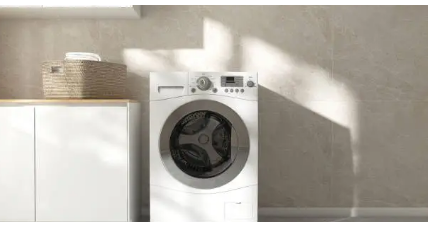
Fisher Paykel washing machine Adelaide’ Choosing the Right Model for Local Homes and Maintenance Tips

Choosing a reliable laundry appliance in South Australia requires balancing efficiency, durability, and water performance. For many homeowners, a Fisher Paykel washing machine is a preferred option because of its adaptive wash technology and reputation for long-term reliability.

In a city like Adelaide, where water conditions and seasonal temperature shifts can affect appliance performance, selecting the right washer matters more than ever. This guide explores how local conditions influence performance, which models suit different household needs, and how to maintain your machine for long-term efficiency.

Throughout this article, we’ll also reference how Fisher & Paykel products perform in real-world Adelaide homes and what buyers should consider before purchasing.

Understanding Adelaide Household Laundry Demands

Homes in Adelaide often deal with a mix of water hardness levels depending on the suburb, along with warm summers that increase laundry frequency. These conditions place steady demand on washing machines, particularly in families or shared households.

Modern washers must handle a variety of loads—delicate clothing, heavy bedding, and frequent quick washes—without excessive water or energy consumption. This is where design engineering becomes important. Many newer appliances are built with sensor-driven load adjustment systems that help prevent overuse of resources.

In addition, space constraints in urban homes and apartments mean front loaders are often preferred, while some households still opt for top loaders due to accessibility and faster cycle times. Understanding your household pattern is essential before selecting a model.

Key Features that Matter Most in Local Conditions

When selecting a washer for South Australian homes, several performance features stand out:

Energy and water efficiency are critical due to rising utility costs. Laundry appliances that automatically adjust water levels based on load size help reduce unnecessary consumption. Spin speed also plays a major role in drying time, especially during cooler months when outdoor drying is slower.

Fabric care technology is another key factor. Gentle wash cycles protect clothing longevity, which is important for households trying to reduce replacement costs. Noise reduction is also valuable for apartment living, particularly in tighter residential complexes.

At this point, it’s worth noting that a Fisher Paykel washing machine is often chosen because of its adaptive wash system, which adjusts agitation and water levels depending on fabric type and load weight, making it suitable for varied household demands.

Why Fisher & Paykel Stands Out in Adelaide Homes

The engineering approach used by Fisher & Paykel focuses on simplifying laundry routines while improving performance efficiency. One of its key innovations is the SmartDrive™ motor system, designed to reduce vibration and improve durability over time.

For households in Adelaide, this translates into quieter operation and better handling of frequent wash cycles. This is particularly beneficial for families who run multiple loads per week or need flexible wash scheduling due to work and school routines.

A Fisher Paykel washing machine is also commonly appreciated for its user-friendly interface, which allows users to quickly select optimised wash settings without needing complex adjustments. This simplicity is valuable for multi-user households where different people operate the machine.

Maintenance Habits that Extend Machine Lifespan

Proper maintenance plays a major role in ensuring consistent performance. In Adelaide’s climate, mineral buildup can gradually affect internal components, especially if water hardness is higher in certain suburbs.

Regular drum cleaning cycles help prevent detergent residue accumulation. It’s also important to check hoses periodically for wear or blockages. Leaving the door slightly open after washes helps prevent moisture buildup, reducing the risk of mould formation.

Using the correct detergent type and dosage is another often-overlooked factor. Excess detergent does not improve cleaning performance and can instead create residue issues over time.

A Fisher Paykel washing machine benefits significantly from routine care because its internal systems are designed for efficiency rather than heavy chemical use, meaning it performs best when maintained according to manufacturer guidelines.

Choosing the Right Model for Your Household Size

Different households require different capacities and configurations. Small apartments or single-person households typically benefit from compact front loaders that prioritise efficiency and space-saving design.

Medium- to large-sized families often require higher-capacity models that can handle bulk bedding, uniforms, and frequent washing. In these cases, load-sensing technology is particularly useful for avoiding water waste when smaller loads are used.

Another consideration is cycle variety. Homes with children may require more sanitisation or allergen-removal options, while professional households may prioritise speed cycles for daily clothing turnover.

Across these use cases, Fisher & Paykel offers a range of configurations that align with different lifestyle requirements, making it a flexible option for many Adelaide residents.

Installation and Service Considerations in Adelaide

When installing a new washing machine, placement matters. Proper ventilation, level flooring, and accessible plumbing connections all contribute to long-term performance stability.

In Adelaide, professional installation services are widely available, and using certified technicians ensures correct setup and warranty protection. It’s also advisable to check local service availability before purchase, ensuring that spare parts and repair support are accessible if needed.

A Fisher Paykel washing machine generally benefits from strong local service networks, which help reduce downtime in the event of maintenance or repair needs.

Final Thoughts

Selecting the right washing machine is about matching technology to lifestyle needs. For many households in Adelaide, performance, efficiency, and reliability are key priorities. With its balance of smart features and durable design, Fisher & Paykel remains a strong contender in the local appliance market.

A Fisher Paykel washing machine can be a long-term investment when properly matched to household size and maintained consistently. By considering water conditions, usage patterns, and service accessibility, homeowners can ensure their appliance delivers consistent results for years to come.

Physio in Woodville’ How Modern Technology is Transforming Physiotherapy Clinics in Woodville, SA

Modern rehabilitation is rapidly evolving, and nowhere is this more evident than in Woodville, South Australia. Patients seeking better recovery outcomes are increasingly turning to advanced clinical solutions that combine hands-on treatment with digital innovation. At a local level, physio in Woodville clinics are embracing these technologies to improve diagnosis accuracy, treatment efficiency, and long-term patient outcomes. From motion analysis systems to telehealth platforms, physiotherapy has shifted far beyond traditional manual therapy alone.

This article explores how modern technology is reshaping physiotherapy services in Woodville and what patients can expect when accessing care in this evolving healthcare environment.

The Rise of Technology-Driven Physiotherapy

Physiotherapy has traditionally relied on clinical observation, patient feedback, and manual techniques. However, modern clinics in Woodville are increasingly integrating digital tools to support evidence-based care. These advancements help practitioners make more precise assessments and deliver targeted treatment plans.

Wearable sensors, posture-tracking systems, and digital assessment software now enable physiotherapists to quantify movement patterns in real time. This means injuries can be identified earlier, rehabilitation progress can be measured more accurately, and treatment adjustments can be made with greater confidence. The result is a more personalised and data-informed approach to recovery.

Advanced Diagnostic Tools Improving Accuracy

One of the most significant technological shifts in physiotherapy is the adoption of advanced diagnostic tools. In many clinics, high-definition ultrasound imaging, force plate analysis, and digital gait assessment systems are now used to evaluate musculoskeletal conditions.

For patients accessing physio in Woodville, this means assessments are no longer limited to visual observation alone. Instead, clinicians can analyse joint load distribution, muscle activation patterns, and biomechanical imbalances with precision. These insights are particularly valuable for sports injuries, chronic pain conditions, and post-surgical rehabilitation.

By leveraging objective data, physiotherapists can identify root causes rather than just treating symptoms, leading to more effective and longer-lasting outcomes.

Innovative Treatment Technologies

Treatment in modern physiotherapy clinics has also evolved significantly. Technologies such as shockwave therapy, dry needling guidance systems, and electrotherapy devices are commonly used to enhance healing.

These modalities work by stimulating tissue repair, reducing inflammation, and improving circulation in targeted areas. In Woodville clinics, such technologies are often integrated alongside manual therapy and exercise prescription, creating a comprehensive rehabilitation approach.

Virtual reality-based rehabilitation tools are also emerging, particularly for neurological and balance training. These systems help patients perform guided movements in immersive environments, improving engagement and adherence to rehabilitation programs.

Digital Platforms and Telehealth Integration

Digital transformation is not limited to in-clinic tools. Administrative and communication systems have also improved dramatically. Appointment scheduling, progress tracking, and exercise prescription apps are now widely used across physiotherapy practices.

Telehealth has become a particularly important component of modern care delivery. It allows patients to access consultations from home, which is especially beneficial for those with mobility limitations or busy schedules.

In the context of physio in Woodville, telehealth has expanded access to care while maintaining continuity of treatment. Physiotherapists can monitor exercise technique via video consultations, adjust rehabilitation plans remotely, and provide ongoing education without requiring in-person visits for every session.

This hybrid model of care ensures flexibility while maintaining clinical effectiveness.

Data-Driven Rehabilitation and Patient Monitoring

Another major advancement is the use of data analytics in rehabilitation programs. Physiotherapists can now track patient progress using mobile applications and cloud-based systems that record exercise adherence, pain levels, and functional improvements over time.

This continuous feedback loop allows clinicians to refine treatment strategies based on real-world performance rather than isolated clinic sessions. It also improves patient accountability, as individuals can visually track their own progress throughout recovery.

For physio in Woodville, this data-driven approach enhances communication between patient and therapist, ensuring both parties remain aligned on recovery goals. It also helps identify when adjustments are needed to prevent plateaus or setbacks in rehabilitation.

The Future of Physiotherapy in Woodville

Looking ahead, physiotherapy is expected to become even more technologically integrated. Artificial intelligence is beginning to play a role in movement analysis, while machine learning algorithms may soon help predict injury risk based on biomechanical data.

Wearable technology will also continue to evolve, offering real-time feedback on posture, muscle activation, and joint stress outside the clinic environment. This will allow physiotherapists to support patients continuously rather than only during scheduled appointments.

For patients seeking physio in Woodville, these innovations promise a future where rehabilitation is more precise, personalised, and proactive. Clinics that adopt these technologies will be better positioned to deliver high-quality care that aligns with modern healthcare expectations.

Conclusion

Technology has fundamentally transformed the way physiotherapy is delivered in Woodville, South Australia. From advanced diagnostics and treatment tools to digital health platforms and telehealth services, modern clinics are now equipped to provide more efficient and effective care than ever before.

The integration of innovation into everyday practice ensures that patients receive tailored rehabilitation programs supported by objective data and continuous monitoring. As the field continues to evolve, physio in Woodville services will likely become even more sophisticated, offering patients improved recovery outcomes and a more connected healthcare experience overall.

Mechanic Magill’ 5 Reasons Hiring a Local Mechanic in Magill Can Save You Money and Prevent Breakdowns

Finding a reliable mechanic Magill residents can trust is one of the most important decisions for any car owner in South Australia. Whether you drive daily through Magill Road traffic or commute into Adelaide CBD, your vehicle is constantly exposed to wear and tear that requires professional attention. Choosing the right mechanic is not just about fixing problems when they happen—it’s about preventing them in the first place.

A skilled mechanic Magill service provider offers more than basic repairs. They provide preventative maintenance, accurate diagnostics, and cost-saving advice tailored to local driving conditions. In this article, we explore five practical reasons why hiring a local mechanic in Magill is a smart investment for your vehicle, your safety, and your budget.

1. Early Detection of Mechanical Issues

One of the biggest advantages of working with a local mechanic is early problem detection. Small issues like worn brake pads, fluid leaks, or uneven tyre wear can quickly escalate into expensive repairs if ignored.

A mechanic Magill workshop understands the common vehicle issues faced in the area, such as stop-start driving conditions and heat-related engine stress during South Australian summers. This local knowledge allows them to identify warning signs early, often before the driver notices anything unusual.

Regular inspections also help prevent breakdowns on busy roads like St Bernards Road or Portrush Road, where sudden vehicle failure can become both dangerous and costly. Early detection ultimately saves money by avoiding major component replacements and emergency towing fees.

2. Cost-Effective Preventive Maintenance

Preventive maintenance is significantly cheaper than emergency repairs. Oil changes, filter replacements, brake servicing, and fluid checks all help extend your vehicle’s life.

A trusted mechanic Magill service will typically offer structured maintenance schedules tailored to your car’s make, model, and mileage. Instead of reacting to breakdowns, you stay ahead of them.

For example, replacing a timing belt on schedule is far less expensive compared to repairing engine damage caused by a snapped belt. Similarly, routine wheel alignments improve fuel efficiency and reduce tyre wear. Over time, these small investments lead to substantial savings and fewer unexpected repair bills.

3. Local Expertise and Personalised Service

Unlike large, impersonal chains, local workshops in Magill often provide more personalised customer service. They build long-term relationships with clients and have a vested interest in successfully maintaining their reputation within the community.

A mechanic Magill professional is more likely to remember your vehicle history, driving habits, and previous repairs. This significantly allows them to provide tailored advice rather than generic recommendations.

This personalised approach can make a major difference when diagnosing intermittent issues that require familiarity with your vehicle over time. It also ensures transparency in pricing and communication, helping build trust between the customer and the mechanic.

4. Faster Turnaround Times and Convenience

When your car breaks down, time matters. Local mechanics typically offer faster turnaround times than larger dealerships, which may have longer booking queues and slower parts-ordering systems.

A mechanic Magill workshop benefits from proximity to local suppliers and a more streamlined service structure. This means quicker diagnostics, faster repairs, and reduced downtime for your vehicle.

For everyday drivers in Magill, this convenience is crucial. Whether you need a quick logbook service or urgent brake repairs, having a nearby mechanic reduces disruption to your work schedule and daily commitments. Many local workshops also offer flexible drop-off and pick-up options, making the process even more convenient.

5. Better Long-Term Vehicle Performance and Resale Value

Consistent servicing from a qualified mechanic helps maintain your vehicle’s performance over time. Engines run smoother, fuel efficiency improves, and major components last longer when properly maintained.

A reliable mechanic Magill service ensures that your vehicle’s logbook servicing is kept up to date, which is essential for preserving manufacturer warranties and resale value.

When it comes time to sell or trade in your car, a complete service history from a trusted local mechanic can significantly increase buyer confidence. This often translates into higher resale value and faster sales. Buyers are more likely to pay a premium for a vehicle that has been consistently maintained by a reputable professional.

Conclusion

Choosing the right mechanic is about more than convenience—it directly impacts your safety, long-term costs, and vehicle reliability. A trusted mechanic Magill provider offers early fault detection, cost-effective maintenance, personalised service, faster repairs, and improved resale value.

For drivers in Magill and surrounding Adelaide suburbs, building a relationship with a local mechanic is a practical way to effectively avoid unexpected breakdowns and keep your vehicle in optimal condition. Investing in professional care today can save you significant time, stress, and money in the future.

Stockinette Bags’ The Smart Packaging Choice for Australian Fresh Produce

In Australia’s competitive agricultural and retail sectors, packaging plays a crucial role in maintaining product quality and attracting buyers. Stockinette bags have emerged as a practical and efficient solution for packaging fresh produce, including citrus fruits, onions, potatoes, and shellfish. Their breathable design, flexibility, and cost-effectiveness make them an increasingly popular choice among Australian farmers, distributors, and retailers. As demand for sustainable and functional packaging grows, stockinette bags are becoming a staple across the country.

Why Stockinette Bags Are Ideal for Australian Conditions

Australia’s diverse climate—from humid coastal regions to dry inland farming zones—requires packaging that can adapt to varying environmental conditions. Stockinette bags are designed with open-weave mesh, which allows air circulation to help prevent moisture buildup. This ventilation is essential for extending shelf life and reducing spoilage, particularly in warmer regions like Queensland and Western Australia.

Unlike sealed plastic packaging, stockinette bags minimise condensation, which can accelerate the rotting of produce. This makes them especially suitable for crops harvested in bulk and transported over long distances. Whether moving oranges from regional New South Wales or potatoes from Tasmania, stockinette bags ensure consistent product quality during transit.

Applications Across Australian Agriculture

The versatility of stockinette bags makes them suitable for a wide range of agricultural applications. Citrus growers commonly use them to package oranges, lemons, and mandarins for both domestic sale and export. Onion and potato farmers also rely heavily on stockinette bags due to their strength and expandability.

In addition, the seafood industry uses stockinette bags for shellfish like mussels and oysters. The breathable structure supports freshness while allowing easy drainage, which is critical for maintaining hygiene standards. This adaptability across industries highlights why stockinette bags are a preferred packaging option throughout Australia.

Cost Efficiency and Operational Benefits

For producers and distributors, packaging costs can significantly impact overall profitability. Stockinette bags are lightweight and require less material compared to rigid containers or thick plastic alternatives. This reduces both manufacturing and transportation expenses.

Their stretchable design also allows for efficient packing. Workers can quickly fill and secure the bags, improving operational productivity during peak harvest seasons. Many stockinette bags are compatible with automated packing machinery, further streamlining the process for large-scale operations.

Additionally, their compact storage before use saves warehouse space, making them a practical solution for farms and distribution centres with limited capacity.

Sustainability and Environmental Impact

Sustainability is a growing concern in Australia’s agricultural sector, with increasing pressure to reduce plastic waste and adopt eco-friendly practices. Stockinette bags contribute positively in this area, as many are now manufactured using recyclable or biodegradable materials.

By allowing produce to “breathe,” stockinette bags also help reduce food waste—a key environmental issue. Less spoilage means fewer resources wasted across the supply chain, from farming inputs to transportation energy.

Some Australian suppliers are now offering stockinette bags made from organic or compostable fibres, aligning with consumer demand for greener packaging solutions. This shift not only benefits the environment but also enhances brand reputation among environmentally conscious buyers.

Retail Appeal and Consumer Convenience

From a retail perspective, presentation matters. Stockinette bags provide excellent product visibility, allowing customers to easily inspect the quality of the produce inside. This transparency builds trust and can influence purchasing decisions.

The flexibility of stockinette bags also allows for customised sizing and labelling. Retailers can package produce into different weight categories to cater to various consumer needs. Drawstrings or clips make the bags easy to handle, carry, and store at home.

Furthermore, their lightweight nature adds convenience for shoppers, particularly in urban areas where customers often carry groceries by hand or public transport.

Supporting Australia’s Export Market

Australia exports a significant volume of fresh produce to international markets, including Asia and the Middle East. Maintaining product integrity during long shipping periods is critical for meeting export standards. Stockinette bags play a key role in this process by ensuring proper ventilation and reducing the risk of damage.

Their durability helps protect produce from compression while still allowing airflow, which is essential for preserving freshness during extended transit. As a result, exporters can deliver high-quality goods that meet strict import requirements, strengthening Australia’s reputation in global markets.

Choosing the Right Stockinette Bags

Selecting the appropriate stockinette bags depends on several factors, including the type of produce, weight requirements, and transportation conditions. Australian suppliers offer a range of options in different colours, sizes, and materials to suit specific needs.

For example, heavier produce like potatoes may require thicker, more durable bags, while lighter items such as citrus fruits can be packaged in finer mesh. UV-resistant options are also available for products exposed to sunlight during storage or transport.

Working with a reliable supplier ensures consistent quality and access to customisation options, helping businesses optimise their packaging strategy.

The Future of Stockinette Bags in Australia

As the agricultural industry continues to evolve, demand for efficient, sustainable packaging solutions will only increase. Stockinette bags are well-positioned to meet these needs, offering a balance of functionality, affordability, and environmental responsibility.

Innovations in materials and manufacturing processes are expected to further enhance their performance and sustainability. With ongoing advancements, stockinette bags will remain a key component of Australia’s fresh produce supply chain.

Conclusion

Stockinette bags have proven to be a versatile and reliable packaging solution for Australia’s agricultural and retail sectors. Their ability to maintain freshness, reduce costs, and support sustainability makes them an essential tool for modern produce handling. As businesses seek smarter ways to package and transport goods, stockinette bags will continue to play a vital role in delivering quality products to consumers across Australia and beyond.

Port Adelaide Physio’ Standing Desk Pain – What Physios Recommend for Workplace Relief

Standing desks have become a popular workplace solution across Port Adelaide, SA, especially among office workers aiming to reduce sedentary time. However, many people are surprised to learn that prolonged standing can lead to its own set of musculoskeletal issues. A qualified Port Adelaide physio regularly sees clients reporting new or worsening discomfort linked to standing desk use, including lower back pain, foot fatigue, and neck strain. While standing is often considered healthier than sitting, poor setup and posture can quickly turn it into a problem rather than a solution.

This article explores what physiotherapists recommend to prevent and manage standing desk-related pain, based on evidence-based ergonomic principles and clinical experience from local practitioners in Port Adelaide.

Why Standing Desks Can Cause Pain

Standing desks are designed to encourage movement and reduce prolonged sitting, but they are not inherently pain-free. One of the most common issues is static loading—holding the same position for too long. When you stand for extended periods, especially without shifting weight or moving regularly, muscles in the lower back, calves, and feet begin to fatigue.

In Port Adelaide workplaces, physios often observe that employees adopt poor standing habits such as locking their knees, leaning heavily on one leg, or craning their neck forward toward screens. These small postural errors increase strain on joints and soft tissues over time.

Another major contributor is improper desk setup. If a monitor is too low, workers tend to round their upper back and neck. If it is too high, they may elevate their shoulders, creating tension in the upper trapezius muscles. Even footwear plays a role—unsupportive shoes can significantly increase pressure through the feet and lower limbs.

A Port Adelaide physio will typically assess these factors holistically, rather than focusing only on the site of pain. The goal is to identify movement patterns and workstation habits that contribute to overload.

Common Standing Desk Injuries Seen by Physios

Physiotherapists in Port Adelaide frequently treat a range of conditions associated with prolonged standing at workstations. Some of the most common include:

1. Lower Back Pain

This is the most frequently reported complaint. It often results from prolonged lumbar extension or uneven weight distribution between legs.

2. Neck and Shoulder Tension

Poor monitor positioning leads to forward head posture, which places continuous stress on the cervical spine.

3. Plantar Fasciitis and Foot Fatigue

Standing on hard surfaces without proper footwear or anti-fatigue mats can irritate the plantar fascia and surrounding foot muscles.

4. Hip Tightness

Reduced movement variability can cause the hip flexors and stabilisers to become stiff, especially when standing still for long periods.

Each of these conditions tends to develop gradually. Workers often ignore early warning signs, such as stiffness or mild soreness, which can progress into more persistent pain if left untreated.

A Port Adelaide physio will often combine manual therapy, movement retraining, and ergonomic correction to treat these issues effectively while preventing recurrence.

Physiotherapy-Approved Ergonomic Setup Tips

Physios emphasise that prevention begins with proper workstation design. A few key recommendations include:

● Monitor height: The top of the screen should be at or just below eye level

● Elbow position: Keep elbows at approximately 90 degrees when typing

● Foot positioning: Maintain flat feet with equal weight distribution

● Mat support: Use an anti-fatigue mat to reduce pressure on joints

● Posture variation: Alternate between sitting and standing every 30–45 minutes

Movement is equally important. Physiotherapists in Port Adelaide recommend micro-breaks—short, frequent movement breaks such as stretching, walking to get water, or performing simple mobility drills.

A Port Adelaide physio may also prescribe targeted exercises such as glute activation, core strengthening, and thoracic mobility work to counteract the effects of prolonged standing or sitting.

Exercises to Reduce Standing Desk Pain

Exercise is a key component of managing standing desk discomfort. Physios typically recommend a combination of mobility and strengthening exercises:

Calf Raises

Improves circulation and reduces lower limb fatigue.

Hip Flexor Stretches

Helps counteract stiffness caused by prolonged static posture.

Chin Tucks

Reduces forward head posture and relieves neck tension.

Glute Bridges

Strengthens posterior chain muscles that support the lower back.

Thoracic Extensions

Improves upper back mobility and posture alignment.

These exercises are simple but highly effective when performed consistently throughout the workweek. In clinical practice, a Port Adelaide physio will tailor these movements to the individual’s specific work demands, pain presentation, and fitness level.

When to See a Physio in Port Adelaide

While mild discomfort from standing desks can often be managed with ergonomic adjustments, persistent or worsening pain should not be ignored. Warning signs include:

● Pain lasting more than 1–2 weeks

● Radiating symptoms into legs or arms

● Increasing stiffness despite rest or movement

● Reduced ability to stand comfortably for normal work periods

Physiotherapists in Port Adelaide are trained to assess these symptoms and identify whether the issue is muscular, joint-related, or nerve-related. Early intervention is key to preventing long-term complications and ensuring a safe return to comfortable work habits.

A Port Adelaide physio will typically conduct a full biomechanical assessment, review workstation setup, and design a personalised treatment plan that may include manual therapy, exercise rehabilitation, and ergonomic coaching.

Final Thoughts

Standing desks can be a valuable tool for improving workplace health, but only when used correctly. Without proper setup and movement habits, they can contribute to pain in the back, neck, hips, and feet. The key is balance—alternating positions, maintaining good posture, and incorporating regular movement throughout the day.

For workers in Port Adelaide experiencing discomfort, physiotherapy offers a practical and evidence-based solution. With the guidance of a skilled Port Adelaide physio, it is possible to resolve pain, improve posture, and establish a sustainable, comfortable workstation routine that supports long-term musculoskeletal health.

Electrical Fitouts Adelaide’ Optimizing Commercial Spaces with Safe and Efficient Installations

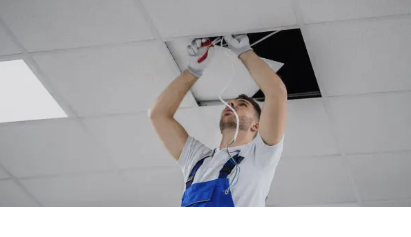
For businesses in Adelaide, SA, investing in professional electrical fitouts is a crucial step when setting up or renovating commercial spaces. Electrical fitouts ensure that offices, retail stores, and industrial environments are not only functional but also compliant with safety regulations and energy efficiency standards. Whether you’re upgrading lighting systems, installing power points, or integrating modern data cabling, expert electrical fitouts in Adelaide provide the infrastructure needed for smooth daily operations and future scalability.

Understanding Electrical Fitouts for Commercial Spaces

Electrical fitouts involve the comprehensive installation of electrical systems within a building, tailored to meet the specific requirements of the space. In Adelaide, these fitouts are guided by local building codes, Australian Standards (AS/NZS), and safety regulations, ensuring that all installations are reliable and safe for long-term use. Businesses often require customised solutions for lighting, power distribution, HVAC systems, fire safety, and communication networks. A professional fitout can prevent costly downtime, reduce energy wastage, and improve workplace productivity.

Why Professional Electrical Fitouts Matter in Adelaide

Commercial properties in Adelaide vary from heritage-listed office buildings in the city centre to modern industrial warehouses in the northern suburbs. Each space presents unique challenges that require specialised knowledge. Professional electricians can assess the layout, load requirements, and potential hazards to design a fitout that maximises efficiency and safety. In addition, they ensure compliance with local regulations enforced by the Office of the Technical Regulator (OTR) in South Australia, avoiding penalties or safety risks.

Key benefits of professional electrical fitouts include:

● Safety Compliance: Properly installed wiring, switchboards, and circuit protection reduce the risk of fire or electrical accidents.

● Energy Efficiency: Modern fitouts integrate energy-saving lighting and automation systems, helping Adelaide businesses reduce utility costs.

● Future-Proofing: Electrical layouts are designed to accommodate future expansions, technology upgrades, or increased power demand.

● Aesthetic Integration: Cabling, outlets, and panels are installed neatly, maintaining a professional look for offices and retail spaces.

Local Considerations for Adelaide Businesses

Adelaide businesses face specific considerations when planning electrical fitouts. For instance, many older buildings in the CBD or North Adelaide may require rewiring or retrofitting to meet current Australian Standards. Similarly, energy efficiency is a major focus in South Australia, where businesses can receive incentives for adopting sustainable practices. Choosing local electricians familiar with these standards ensures that your fitout not only meets safety requirements but also maximises energy efficiency and cost savings.

Additionally, Adelaide experiences occasional high temperatures, meaning air conditioning systems and power supply must be carefully managed during fitouts. Electrical contractors in the region often provide solutions such as dedicated HVAC circuits, smart lighting, and surge protection to safeguard sensitive equipment. These local-specific solutions make professional electrical fitouts an essential investment for business owners seeking reliable, compliant electrical systems.

The Process of Electrical Fitouts in Adelaide

A typical commercial electrical fitout in Adelaide follows a structured process:

1. Site Assessment: Electricians evaluate the space, identifying power needs, lighting requirements, and potential hazards.

2. Design & Planning: A detailed electrical plan is developed, including wiring diagrams, switchboard placement, and outlet locations.

3. Installation: Licensed electricians install wiring, lighting, data networks, and power distribution systems in accordance with plans.

4. Testing & Certification: Completed installations are tested for safety and functionality, and compliance certificates are issued.

5. Maintenance Planning: Recommendations are provided for ongoing maintenance to ensure longevity and efficiency.

Following this process guarantees that the fitout is tailored to the business’s specific needs while adhering to South Australian safety standards.

Choosing the Right Electrical Fitout Provider in Adelaide

Selecting a trusted local contractor is critical for a successful electrical fitout. Adelaide-based businesses should look for licensed electricians with proven experience in commercial projects.

Factors to consider include:

● Licensing & Certification: Ensure compliance with South Australian licensing requirements.

● Local Knowledge: Familiarity with Adelaide building codes, climate conditions, and energy incentives.

● Experience: A portfolio of similar commercial fitouts ensures practical expertise.

● Customer Support: Reliable after-installation support for maintenance or upgrades.

By choosing the right provider, businesses can enjoy a smooth installation process, minimal disruption, and long-term performance.

Conclusion

Professional electrical fitouts are essential for Adelaide businesses aiming for safe, efficient, and future-ready commercial spaces. From offices and retail shops to industrial facilities, a well-planned electrical fitout improves operational efficiency, ensures compliance with local regulations, and reduces energy costs. With the expertise of local Adelaide electricians, businesses can confidently implement modern electrical systems that meet both current needs and future growth. Investing in quality electrical fitouts is not just a necessity—it’s a strategic decision that supports productivity, safety, and sustainability in the heart of South Australia.

Bale Wrap Solutions for Australian Livestock Farmers’ Maximising Forage Quality in Harsh Climate Conditions1

Australia’s livestock industry depends heavily on efficient forage preservation, and bale wrap plays a pivotal role in ensuring consistent feed quality year-round. With the country’s unpredictable climate—ranging from scorching heat to sudden rainfall—farmers must rely on durable and high-performance wrapping solutions. Choosing the right bale wrap is not just about covering hay; it’s about protecting nutritional value, minimising waste, and supporting overall farm productivity.

Understanding the Role of Bale Wrap in Australia

In Australia, silage production is a common practice for cattle and sheep farmers aiming to secure feed during dry seasons. Bale wrap is essential in this process, as it creates an airtight environment that promotes proper fermentation. This anaerobic condition prevents spoilage and preserves the feed’s nutritional integrity.

Climate Challenges and Material Innovation

Australia’s climate variability demands bale wrap solutions that go beyond basic functionality. Modern wraps are designed with multiple layers and UV stabilisers to withstand prolonged sun exposure. In regions experiencing extreme heat, inferior wraps can become brittle, leading to tears and oxygen infiltration.

Advanced bale wrap materials now feature enhanced puncture resistance, ensuring that sharp stubble or handling equipment cannot compromise the seal. This is particularly important in large-scale farming operations across New South Wales and Victoria, where mechanical handling is frequent.

Additionally, thicker, more elastic films are increasingly popular, as they provide better cling and maintain consistent pressure around the bale. This ensures that the silage remains tightly sealed, even during transport or long-term storage.

Best Practices for Wrapping and Storage

Using high-quality bale wrap is only part of the equation; proper application techniques are equally important. Australian farmers are encouraged to wrap bales as soon as possible after baling—ideally within two hours—to minimise exposure to oxygen.

A minimum of 4 to 6 layers is typically recommended, though in hotter regions, additional layers may be necessary for optimal protection. Consistent overlap during wrapping ensures there are no weak points where air can enter.

Storage also plays a significant role in maintaining silage quality. Bales should be stored on well-drained surfaces and away from sharp objects or livestock that could damage the wrap. In areas prone to wildlife interference, such as rural South Australia, protective measures, such as fencing, may be required.

Economic Benefits for Australian Farmers

Investing in premium bale wrap can lead to significant cost savings over time. Poor-quality wrap often leads to silage spoilage, resulting in feed loss and increased expenses. In contrast, high-performance wrap reduces wastage and ensures that livestock receive consistent nutrition.

For Australian farmers facing drought, preserving every bale becomes even more critical. Reliable bale wrap helps maintain feed reserves, reducing the need for expensive supplementary feeding. This is particularly beneficial in regions like the Northern Territory, where feed availability can fluctuate dramatically.

Moreover, improved silage quality directly impacts livestock health and productivity. Better nutrition leads to higher milk yields in dairy cattle and improved weight gain in beef production, contributing to overall farm profitability.

Sustainability and Environmental Considerations

As sustainability becomes a growing concern in Australian agriculture, the bale wrap industry is evolving as well. Many manufacturers now offer recyclable or environmentally friendly wrap options, helping farmers reduce their environmental footprint.

Proper disposal and recycling programs are gaining traction across Australia, with initiatives encouraging farmers to collect and recycle used plastics. By choosing eco-conscious bale wrap products, farmers not only protect their silage but also contribute to more sustainable farming practices.

Additionally, efficient wrapping reduces the need for excess materials, further minimising waste. This aligns with broader agricultural goals of improving resource efficiency and reducing environmental impact.

Choosing the Right Bale Wrap for Your Region

Selecting the right bale wrap requires careful consideration of regional conditions. Farmers in high-UV zones should prioritise wraps with strong UV resistance, while those in wetter climates may need wraps with superior moisture protection.

It’s also important to consider the type of forage being stored. Different crops, such as lucerne or ryegrass, may require specific wrapping techniques or film strengths. Consulting with local agricultural suppliers can help farmers identify the most suitable products for their needs.

Ultimately, investing in quality bale wrap tailored to Australian conditions ensures better silage outcomes and long-term operational efficiency.

Conclusion

Bale wrap is an indispensable tool for Australian livestock farmers, offering a reliable way to preserve forage quality despite challenging environmental conditions. From advanced material technologies to best-practice application methods, every aspect of bale wrapping contributes to successful silage production.

By selecting the right bale wrap and using it effectively, farmers can safeguard their feed supply, reduce waste, and enhance livestock performance. In a country where climate variability is the norm, making informed decisions about bale wrap is essential for sustainable and profitable farming.

Adelaide Pergolas’ Eco-Friendly Designs for Sustainable Outdoor Living

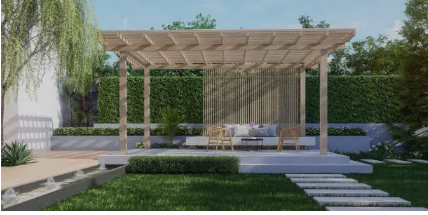
As homeowners in Adelaide increasingly seek ways to blend outdoor aesthetics with sustainability, Adelaide pergolas have become a focal point for eco-conscious design. Modern pergolas are no longer just about shading patios—they are a canvas for sustainable living. By incorporating environmentally responsible materials, energy-efficient features, and innovative design strategies, you can transform your outdoor space into a haven that is both stylish and gentle on the planet.

Choosing Sustainable Materials for Your Pergola

One of the most impactful ways to create an eco-friendly pergola is by choosing materials. Opting for sustainably sourced timber, such as certified Australian hardwoods or reclaimed wood, ensures durability while reducing environmental impact. Timber pergolas not only offer a natural aesthetic but also have a lower carbon footprint than aluminium or steel alternatives. For a modern twist, consider using recycled metal or aluminium, which is lightweight, durable, and fully recyclable—ideal for Adelaide’s sometimes harsh summers.

Another option gaining popularity in Adelaide is bamboo. Bamboo grows rapidly and sequesters more carbon than many traditional building materials, making it a superb choice for pergolas designed with sustainability in mind.

Incorporating Green Features

To elevate your Adelaide pergolas into a truly eco-friendly space, integrate green features that contribute to energy efficiency and biodiversity. Living roofs or climbing plants like wisteria or grapevines not only provide natural shade but also improve air quality and encourage local wildlife. These plants reduce heat absorption, helping to keep your outdoor area cooler during the peak summer months in South Australia.

Rainwater harvesting can also be seamlessly integrated. Pergolas can be designed with sloped roofs or guttering systems to channel rainwater into storage tanks, providing a sustainable water source for garden irrigation. This approach aligns perfectly with Adelaide’s water-conscious lifestyle, offering both environmental and financial benefits.

Solar Integration for Sustainable Energy

Solar technology is another avenue to boost the sustainability of your pergola. Installing discreet solar panels on your pergola roof lets you generate renewable energy for lighting, outdoor fans, and even small appliances. Solar pergolas reduce reliance on the grid and make your outdoor living area self-sufficient. Adelaide receives abundant sunlight year-round, making solar integration not just practical but highly efficient.

LED lighting powered by solar or low-voltage energy systems can further enhance energy savings while creating a warm, inviting ambience for evening gatherings. Eco-friendly lighting ensures that your pergola remains sustainable even after the sun sets.

Minimalist Designs for Maximum Efficiency

Sustainability is also about design efficiency. Minimalist pergolas that use fewer materials without compromising strength or style are ideal for environmentally conscious homeowners. Opting for modular designs allows flexibility, reducing waste during construction and future renovations. Lightweight, open-frame structures minimise the use of excess materials and encourage airflow, reducing the need for artificial cooling.

When designing your Adelaide pergola, consider orienting it to maximise natural shade and ventilation. Proper placement can dramatically lower the temperature beneath your pergola, creating a comfortable environment without relying on electric cooling.

Local Expertise for Eco-Friendly Outcomes

Working with local Adelaide pergola builders experienced in eco-friendly construction is crucial. Professionals familiar with sustainable materials and regional climate conditions can advise on the best timber treatments, coatings, and design layouts to ensure longevity without harmful chemicals. Choosing a builder committed to environmentally responsible practices ensures that your pergola project aligns with your sustainability goals from start to finish.

Combining Style with Sustainability

Eco-friendly pergolas don’t compromise on style. Adelaide homeowners are increasingly opting for pergolas that blend rustic charm with contemporary elegance. Lightweight pergolas with retractable bamboo shades, natural finishes, and integrated greenery create a serene retreat that harmonises with the surrounding landscape. Incorporating furniture made from recycled or responsibly sourced materials further enhances the sustainable theme of your outdoor living area.

Future-Proofing Your Outdoor Space

Sustainability is not just about immediate environmental impact—it’s about creating outdoor spaces that endure. By selecting materials that resist Adelaide’s coastal humidity and extreme summer temperatures, your eco-friendly pergola can remain functional and beautiful for decades. Combining durable, low-maintenance materials with renewable energy integration and natural cooling methods ensures your pergola contributes positively to both your lifestyle and the environment.

Conclusion

Transforming your backyard with Adelaide pergolas designed for eco-friendly living is a rewarding way to embrace sustainability while enhancing your outdoor lifestyle. From carefully selected materials to solar-powered features, greenery, and minimalist designs, every decision contributes to a greener, more comfortable space. By prioritising energy efficiency, resource conservation, and local craftsmanship, you can enjoy an outdoor haven that is as kind to the planet as it is to your senses.

Whether you’re entertaining guests, enjoying a quiet afternoon, or simply adding a touch of green elegance to your home, eco-friendly pergolas offer a sustainable path to outdoor living that aligns perfectly with Adelaide’s modern lifestyle.

« Older posts Newer posts »