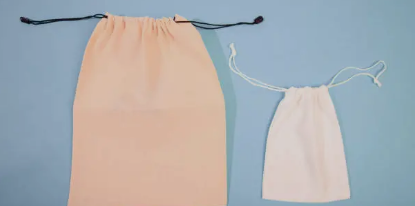
In Australia’s competitive packaging and logistics industry, businesses are continually seeking ways to optimise efficiency, remarkably reduce costs, and ensure the safe transport of goods. One solution that has emerged as both versatile and reliable is the use of heavy duty stockinette bags. These industrial-grade bags are transforming the way companies handle bulk materials, offering advantages that extend from warehouse management to supply chain operations.
Understanding Heavy Duty Stockinette Bags
Heavy-duty stockinette bags are robust, flexible containers typically crafted from high-quality knitted polyester or cotton fabrics. Unlike standard packaging, these bags are engineered to withstand significant weight and stress, making them ideal for industries that require durable storage solutions. In addition to their strength, these bags provide excellent breathability, which helps preserve perishable goods and prevent moisture accumulation.
The structural design of heavy-duty stockinette bags allows them to expand and accommodate irregularly shaped items, ensuring a snug fit that reduces shifting during transportation. This feature is particularly valuable in logistics, where movement can cause damage or loss if items are not adequately secured.
Applications Across Industries
Australia’s industrial landscape is diverse, and heavy-duty stockinette bags have found applications across multiple sectors. In agriculture, these bags are commonly used to store and transport produce such as potatoes, onions, and citrus fruits. Their breathable design ensures ventilation, reducing the risk of spoilage and extending shelf life.
In manufacturing and mining, heavy-duty stockinette bags are employed to handle raw materials, powders, and small components. Their high tensile strength prevents tearing under heavy loads, minimising product loss and improving overall operational efficiency. Similarly, in the chemical and pharmaceutical industries, these bags are used for packaging granular or powdered materials, providing a reliable containment method while meeting industry safety standards.
Enhancing Warehouse Efficiency
One of the key advantages of heavy-duty stockinette bags is their contribution to warehouse organisation and efficiency. Unlike rigid containers, these bags can be easily folded and stored when not in use, saving valuable floor space. Their lightweight nature also allows for easier handling, reducing the labour intensity of storage operations.
Additionally, the standardised sizing of stockinette bags supports systematic stacking and inventory management. Warehouse managers can optimise space utilisation, streamline picking and packing processes, and reduce the time required to locate and move goods. This efficiency significantly translates into lower operational costs and faster turnaround times, critical factors in Australia’s fast-paced logistics sector.
Transportation and Logistics Benefits
Transporting goods safely and efficiently is a central challenge in logistics, and heavy-duty stockinette bags provide a practical solution. Their flexible yet durable construction absorbs shocks and minimises damage during transit. It is particularly important for road transport in Australia, where long distances and varying road conditions can place stress on packaged goods.
Moreover, these bags are compatible with automated handling systems, including conveyor belts and pallet loaders. Their adaptability to modern logistics technology ensures seamless integration into supply chains, improving overall productivity and reducing the risk of operational bottlenecks.
Cost-Effectiveness and Sustainability
Investing in heavy-duty stockinette bags is not only a practical choice but also an economically sound decision. Their durability allows for repeated use, reducing the need for frequent replacements and lowering packaging expenditures. Over time, companies experience significant savings compared to using disposable or less durable alternatives.
Sustainability is another compelling factor. Many heavy-duty stockinette bags are made from recyclable materials or can be repurposed after their initial use, aligning with Australia’s growing emphasis on eco-friendly practices. By adopting reusable packaging solutions, businesses can decrease their environmental footprint while meeting regulatory requirements and appealing to environmentally conscious consumers.
Customisation for Specific Needs
The versatility of heavy-duty stockinette bags extends to customisation options. Manufacturers in Australia can produce bags with tailored dimensions, closure types, and fabric strengths to match specific operational requirements. Some bags are designed with reinforced stitching or double-layered fabrics for exceptionally heavy or abrasive materials, ensuring safety and reliability.
Conclusion:
In the competitive landscape of Australia’s packaging and logistics industry, operational efficiency and product safety are paramount. Heavy-duty stockinette bags offer a practical and versatile solution that addresses both concerns. From protecting agricultural produce to facilitating warehouse organisation and streamlining transportation, these bags provide tangible benefits that translate into cost savings, improved productivity, and enhanced sustainability.