In modern farming, maintaining high-quality feed for livestock is essential for achieving optimal productivity and ensuring animal health. One of the most effective tools used in Australian farms to achieve this is silage covers. Properly used silage covers protect feed from spoilage, preserve nutritional content, and enhance feed efficiency, which directly impacts livestock growth, milk production, and overall well-being.
The Role of Silage Covers in Livestock Nutrition
Silage provides a significant portion of energy, protein, and essential nutrients required by livestock. However, exposure to air, moisture, sunlight, and pests can quickly degrade silage quality. Spoiled feed can lead to nutrient loss, reduced palatability, and potential health issues for animals.
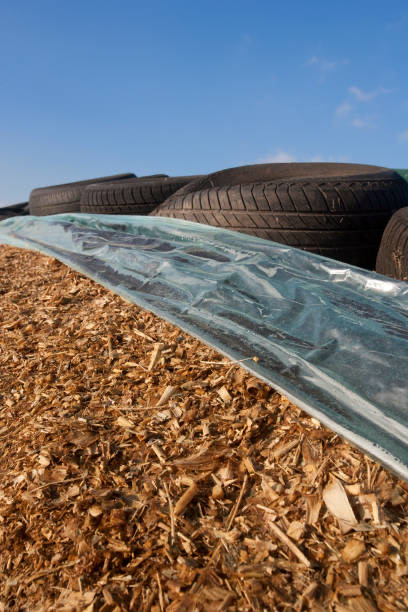
Silage covers act as a protective barrier, keeping feed fresh and maintaining its nutritional value. By reducing exposure to external factors, these covers ensure that livestock receive high-quality feed consistently, which supports healthier, more productive animals.
Benefits of Using Silage Covers
1. Reducing Feed Waste
One of the primary benefits of silage covers is minimizing feed loss. When silage is left uncovered or poorly protected, oxygen and moisture cause mold and bacterial growth. This not only decreases the amount of usable feed but also compromises its nutritional content. Silage covers prevent this spoilage, allowing farmers to make the most of their stored feed.
2. Maintaining Nutritional Value
Silage covers promote optimal fermentation by creating an anaerobic environment. This preserves vital nutrients such as proteins, carbohydrates, and vitamins, ensuring livestock receive feed that supports growth, milk production, and reproductive health. High-quality feed also reduces the need for costly supplements, improving overall farm efficiency.
3. Supporting Livestock Health
Feed contaminated with mold, bacteria, or foreign debris can negatively impact animal health. Respiratory issues, digestive problems, and reduced immunity can result from poor-quality silage. Using silage covers minimizes these risks by maintaining a safe, clean, and nutrient-rich feed source, directly contributing to the health and welfare of livestock.
4. Improving Farm Productivity
By protecting feed quality and reducing waste, silage covers enhance operational efficiency. Farmers spend less time managing spoiled silage and more time focusing on other aspects of farm management. Additionally, healthy, well-nourished livestock are more productive, contributing to higher milk yields, faster weight gain, and better reproductive performance.
Choosing the Right Silage Covers
Selecting the appropriate silage cover is critical for maximizing benefits:
- Durability: Heavy-duty polyethylene or reinforced tarpaulin covers resist tears, punctures, and harsh weather conditions.
- UV Protection: Covers with UV resistance prevent nutrient degradation caused by sunlight exposure.
- Oxygen Barrier: Specialized oxygen barrier covers enhance fermentation, preserve nutrients, and reduce spoilage.
- Ease of Use: Lightweight, flexible covers simplify installation, adjustment, and removal.
Investing in the right silage cover ensures feed protection and reduces long-term operational costs by maintaining feed efficiency.
Best Practices for Using Silage Covers
To get the most out of silage covers, proper installation and maintenance are essential:
- Prepare the Storage Area: Ensure the site is clear of sharp objects, rocks, and debris that could damage the cover.
- Compact the Silage: Properly compacted silage reduces air pockets and enhances anaerobic fermentation.
- Secure the Cover: Use weights, sandbags, or tie-downs to keep the cover in place, preventing wind or rain from lifting it.
- Inspect Regularly: Check for tears, holes, or gaps and repair them immediately to maintain a sealed environment.
- Minimize Feed Exposure: Open covers only when necessary and reseal promptly to protect remaining feed.
Following these practices ensures that silage covers provide consistent protection and maintain feed efficiency over time.
Additional Advantages
- Cost Savings: By reducing feed spoilage, silage covers lower the need for replacement feed, saving money in the long term.
- Sustainable Farming: Efficient use of silage reduces waste and environmental impact.
- Reduced Labor: High-quality, well-maintained covers require less daily management, freeing up time for other farm operations.
Conclusion
Silage covers are an indispensable tool for modern livestock farming in Australia, offering a simple yet effective way to improve feed efficiency and support animal health. By protecting silage from environmental factors, preserving nutritional value, and minimizing spoilage, silage covers ensure livestock receive consistent, high-quality feed.
Implementing best practices in cover selection, installation, and maintenance enhances the benefits, improving overall farm productivity, reducing operational costs, and promoting sustainable farming practices. For any farm aiming to maintain healthy, productive livestock while optimizing feed use, investing in high-quality silage covers is a smart and practical choice.