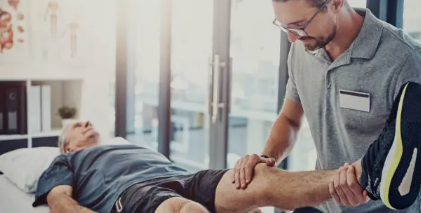
Tennis elbow, or lateral epicondylitis, is a common overuse injury affecting the tendons that attach to the outer elbow. It is frequently seen among racket-sport players, manual workers, and gym-goers in coastal suburbs such as Grange, South Australia, where active lifestyles are common.
Early intervention with targeted rehabilitation can significantly improve outcomes and reduce recurrence. Seeking guidance from a physio in Grange clinics ensures a structured recovery plan tailored to symptom severity and functional demands. In this article, we explore evidence-based tennis elbow recovery exercises, progression strategies, and practical tips for regaining grip strength and forearm function without aggravating pain.
Understanding Tennis Elbow and Early Recovery in Grange, SA
In Grange, SA, tennis elbow typically develops from repetitive wrist extension and gripping activities, such as tennis, gardening, or occupational strain. The condition involves microtears in the extensor carpi radialis brevis tendon, leading to pain on the outer elbow, grip weakness, and discomfort during lifting or twisting.
Early-stage management focuses on reducing load while maintaining gentle tendon activation. Ice therapy, activity modification, and isometric exercises are often introduced first. A structured rehabilitation plan guided by physio in Grange services ensures that inflammation is controlled without causing unnecessary deconditioning of the forearm muscles.
Key Tennis Elbow Recovery Exercises for Strength Rebuilding
Incorporating progressive exercises is essential for long-term recovery and tendon resilience. Residents seeking physio in Grange support are often guided through a staged loading program designed to restore strength safely.
One of the most effective early exercises is the isometric wrist extension hold. This involves placing the forearm on a table, palm facing down, and gently lifting the hand against resistance without moving the wrist. Holding for 20–30 seconds helps reduce pain while activating the extensor tendons.
As symptoms improve, eccentric wrist extensions are introduced. Using a light dumbbell, the unaffected hand assists in lifting the weight, while the injured arm slowly lowers it under control. This eccentric loading has been shown to stimulate tendon remodelling and improve long-term durability.
Another useful exercise is the forearm pronation and supination drill, which strengthens rotational control essential for daily activities such as opening jars or using tools. Consistency is more important than intensity at this stage, with gradual increases in resistance recommended.
Advanced Rehabilitation and Functional Return in Grange
As recovery progresses, exercises shift toward functional strength and endurance. Individuals working with physio in Grange are often introduced to grip-strengthening tools and exercises, such as therapy putty, hand grippers, and towel-wrapping exercises.
The reverse Tyler twist using a flex bar is another advanced option that loads the tendon in a controlled, progressive manner. This exercise is particularly effective for athletes or manual workers needing high-level forearm endurance.
In addition, compound movements such as light rowing, resistance-band pulls, and modified push-ups can be incorporated. These exercises help restore kinetic chain coordination between the wrist, elbow, and shoulder, reducing the risk of recurrence.
Postural correction is also important. Poor shoulder positioning can increase strain on the elbow, so scapular stabilisation exercises are often included in rehabilitation programs.
Recovery timelines vary, but most individuals see significant improvement within 6–12 weeks when adherence to progressive loading is maintained. Pain should gradually decrease as strength increases, indicating tendon adaptation.
Preventing Recurrence and Long-Term Management
Long-term success depends on load management and ongoing conditioning. Even after symptoms resolve, maintaining a forearm strengthening routine 2–3 times per week helps prevent relapse. Gradual progression in sports or occupational tasks is crucial to avoid overload.
Warm-up routines before physical activity should include dynamic wrist and forearm movements to prepare the tendons for stress. Ergonomic adjustments at workstations or modifications in sporting technique may also be necessary.
Patients receiving ongoing physiotherapy in Grange services often benefit from periodic reassessments to ensure movement patterns remain optimal and that no compensatory habits develop.
Consistency, patience, and structured progression remain the foundation of effective recovery. Overloading too early is the most common reason for recurrence, making guided rehabilitation essential.
Conclusion
Tennis elbow recovery requires a strategic combination of load management, progressive strengthening, and functional retraining. With the right approach, most individuals can return to full activity without long-term limitations. Residents of Grange benefit from tailored rehabilitation pathways that address both symptom relief and long-term tendon resilience. By following structured exercise progressions and maintaining consistent strengthening habits, recovery becomes both predictable and sustainable, reducing the likelihood of future flare-ups.