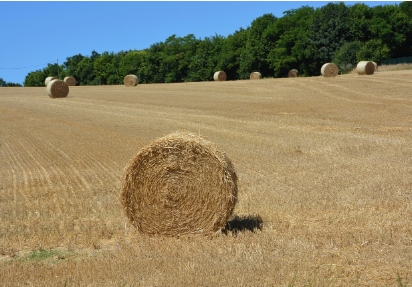
For Australian farmers, baler twine is more than just a simple tool—it is an essential part of daily operations on farms of all sizes. From the vast wheat belts of Western Australia to the dairy-rich regions of Victoria and the mixed farming landscapes of New South Wales, baler twine plays a critical role in securing hay, straw, and silage bales efficiently and safely. Choosing the right type of baler twine can improve productivity, reduce waste, and support sustainable farming practices nationwide.
Understanding Baler Twine
Baler twine is a durable string or cord used to tie bales of hay, straw, or silage after a baler has compressed them. In Australia, the most common types include polypropylene and sisal twine. Polypropylene twine is popular for its strength, lightweight design, and weather resistance, making it ideal for regions with high sun exposure or fluctuating rainfall. Sisal twine, made from natural fibres, is biodegradable and favoured by farmers seeking environmentally friendly solutions.
The choice of baler twine directly affects bale integrity. Weak or low-quality twine can break during handling or transport, leading to waste and loss of valuable feed. High-quality twine, on the other hand, ensures bales remain intact from the field to storage, even under challenging Australian conditions.
Choosing the Right Baler Twine for Australian Conditions
Australian farms face unique challenges, including extreme heat, heavy rains, and long transport distances. Therefore, selecting baler twine suited to local conditions is essential. Polypropylene twine is highly resistant to UV degradation, which is important for farmers in sun-exposed areas such as Queensland and South Australia. Sisal twine, while biodegradable, can be affected by moisture, making it more suitable for drier regions or for bales that will be quickly stored under cover.
Farmers should also consider the thickness and length of the twine. Thicker twine provides extra strength for large bales, while longer rolls reduce the frequency of replacements, saving time during busy harvest seasons. Many Australian suppliers now offer baler twine specifically tailored to local farming needs, ensuring both performance and reliability.
Economic and Environmental Benefits
Investing in high-quality baler twine can yield significant economic benefits for Australian farmers. Durable twine reduces the risk of bale breakage, minimising feed loss and improving overall operational efficiency. Time spent retying bales or dealing with damaged feed can be redirected to other essential farming tasks, boosting productivity during peak seasons.
Environmental considerations are also increasingly important. Biodegradable sisal twine decomposes naturally, reducing plastic waste in paddocks and supporting sustainable farming practices. Some Australian farmers are adopting hybrid solutions that combine the durability of polypropylene with eco-friendly features, balancing performance with environmental responsibility.
Practical Tips for Using Baler Twine in Australia
1. Store Properly: Keep twine rolls in a dry, shaded area to prevent UV and moisture damage.
2. Match Twine to Bale Size: Large square bales require stronger twine, while smaller round bales can use standard thickness.
3. Regular Equipment Checks: Ensure your baler’s twine knotter is functioning correctly to prevent breaks and ensure consistent tying.
4. Consider Local Suppliers: Australian suppliers often offer twine tailored to local conditions, including climate-specific UV protection and strength ratings.
By following these best practices, farmers can maximise the lifespan of their baler twine, reduce waste, and ensure every bale is secure and transport-ready.
The Future of Baler Twine in Australian Agriculture
As technology evolves, baler twine is also seeing innovations in strength, biodegradability, and efficiency. Australian farmers are increasingly prioritising twine that offers both performance and sustainability. Manufacturers are responding with options that meet the demands of modern farming—supporting higher bale densities, easier handling, and minimal environmental impact.
Additionally, awareness of sustainable farming practices is growing across Australia. Choosing the right baler twine is no longer just a practical decision; it’s also a step towards reducing plastic use, protecting soils, and ensuring long-term farm sustainability.
Conclusion
For Australian farmers, baler twine remains a cornerstone of efficient and sustainable bale management. Selecting the right type of twine—whether durable polypropylene for long-lasting performance or eco-friendly sisal for environmental care—can make a substantial difference in farm productivity, feed quality, and operational costs. By understanding local conditions, investing in quality twine, and adopting best practices, Australian farmers can secure their bales effectively while contributing to a more sustainable agricultural future.
Investing in the right baler twine is not just about tying bales; it’s about supporting the efficiency, sustainability, and success of farming operations across Australia.