Australia’s livestock industry depends heavily on efficient forage preservation, and bale wrap plays a pivotal role in ensuring consistent feed quality year-round. With the country’s unpredictable climate—ranging from scorching heat to sudden rainfall—farmers must rely on durable and high-performance wrapping solutions. Choosing the right bale wrap is not just about covering hay; it’s about protecting nutritional value, minimising waste, and supporting overall farm productivity.
Understanding the Role of Bale Wrap in Australia
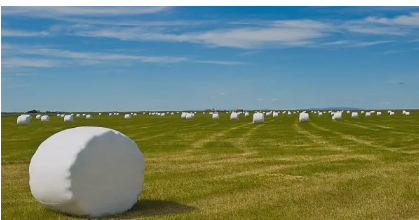
In Australia, silage production is a common practice for cattle and sheep farmers aiming to secure feed during dry seasons. Bale wrap is essential in this process, as it creates an airtight environment that promotes proper fermentation. This anaerobic condition prevents spoilage and preserves the feed’s nutritional integrity.
Climate Challenges and Material Innovation
Australia’s climate variability demands bale wrap solutions that go beyond basic functionality. Modern wraps are designed with multiple layers and UV stabilisers to withstand prolonged sun exposure. In regions experiencing extreme heat, inferior wraps can become brittle, leading to tears and oxygen infiltration.
Advanced bale wrap materials now feature enhanced puncture resistance, ensuring that sharp stubble or handling equipment cannot compromise the seal. This is particularly important in large-scale farming operations across New South Wales and Victoria, where mechanical handling is frequent.
Additionally, thicker, more elastic films are increasingly popular, as they provide better cling and maintain consistent pressure around the bale. This ensures that the silage remains tightly sealed, even during transport or long-term storage.
Best Practices for Wrapping and Storage
Using high-quality bale wrap is only part of the equation; proper application techniques are equally important. Australian farmers are encouraged to wrap bales as soon as possible after baling—ideally within two hours—to minimise exposure to oxygen.
A minimum of 4 to 6 layers is typically recommended, though in hotter regions, additional layers may be necessary for optimal protection. Consistent overlap during wrapping ensures there are no weak points where air can enter.
Storage also plays a significant role in maintaining silage quality. Bales should be stored on well-drained surfaces and away from sharp objects or livestock that could damage the wrap. In areas prone to wildlife interference, such as rural South Australia, protective measures, such as fencing, may be required.
Economic Benefits for Australian Farmers
Investing in premium bale wrap can lead to significant cost savings over time. Poor-quality wrap often leads to silage spoilage, resulting in feed loss and increased expenses. In contrast, high-performance wrap reduces wastage and ensures that livestock receive consistent nutrition.
For Australian farmers facing drought, preserving every bale becomes even more critical. Reliable bale wrap helps maintain feed reserves, reducing the need for expensive supplementary feeding. This is particularly beneficial in regions like the Northern Territory, where feed availability can fluctuate dramatically.
Moreover, improved silage quality directly impacts livestock health and productivity. Better nutrition leads to higher milk yields in dairy cattle and improved weight gain in beef production, contributing to overall farm profitability.
Sustainability and Environmental Considerations
As sustainability becomes a growing concern in Australian agriculture, the bale wrap industry is evolving as well. Many manufacturers now offer recyclable or environmentally friendly wrap options, helping farmers reduce their environmental footprint.
Proper disposal and recycling programs are gaining traction across Australia, with initiatives encouraging farmers to collect and recycle used plastics. By choosing eco-conscious bale wrap products, farmers not only protect their silage but also contribute to more sustainable farming practices.
Additionally, efficient wrapping reduces the need for excess materials, further minimising waste. This aligns with broader agricultural goals of improving resource efficiency and reducing environmental impact.
Choosing the Right Bale Wrap for Your Region
Selecting the right bale wrap requires careful consideration of regional conditions. Farmers in high-UV zones should prioritise wraps with strong UV resistance, while those in wetter climates may need wraps with superior moisture protection.
It’s also important to consider the type of forage being stored. Different crops, such as lucerne or ryegrass, may require specific wrapping techniques or film strengths. Consulting with local agricultural suppliers can help farmers identify the most suitable products for their needs.
Ultimately, investing in quality bale wrap tailored to Australian conditions ensures better silage outcomes and long-term operational efficiency.
Conclusion
Bale wrap is an indispensable tool for Australian livestock farmers, offering a reliable way to preserve forage quality despite challenging environmental conditions. From advanced material technologies to best-practice application methods, every aspect of bale wrapping contributes to successful silage production.
By selecting the right bale wrap and using it effectively, farmers can safeguard their feed supply, reduce waste, and enhance livestock performance. In a country where climate variability is the norm, making informed decisions about bale wrap is essential for sustainable and profitable farming.