Category: Farming (Page 2 of 2)

Silage Plastic How Climate Variability in Australia Affects Silage Plastic Performance

Australia’s agricultural sector is heavily influenced by its diverse and often unpredictable climate. For livestock farmers relying on silage, the role of silage plastic is critical in preserving feed quality and maximising farm productivity. However, climate variability across the continent significantly impacts the performance of silage plastic, posing challenges that demand adaptive strategies and innovative solutions. This article delves into how Australia’s changing weather patterns affect silage plastic effectiveness and what farmers can do to safeguard their investments.

Understanding Silage Plastic and Its Importance in Australian Agriculture

Silage plastic is a specially designed film used to wrap and seal forage crops, such as grass and legumes, to ferment and preserve them as silage. By creating an anaerobic environment, silage plastic minimises spoilage and nutrient loss, providing livestock with high-quality feed year-round. In Australia, where seasonal droughts, heatwaves, and sudden shifts in rainfall are common, silage plastic is a vital tool for maintaining feed security.

The performance of silage plastic, however, is not static. It is directly influenced by external climatic conditions. From the scorching summers of northern Australia to the cooler, wetter temperate zones in the south, climate variability introduces stressors that can compromise the integrity of silage plastic wraps.

The Impact of Temperature Extremes on Silage Plastic Durability

One of the most significant climate factors affecting silage plastic in Australia is temperature fluctuation. During intense heatwaves, commonly experienced in states like Queensland and New South Wales, silage plastic is exposed to high surface temperatures that can accelerate material degradation. Ultraviolet (UV) radiation from prolonged sun exposure weakens plastic polymers, causing brittleness and increased risk of tearing.

In northern Australia’s tropical climate, where temperatures regularly exceed 35°C, the silage plastic’s ability to maintain an airtight seal may be diminished over time. Conversely, in southern regions like Victoria or Tasmania, colder winters can cause the plastic to contract and become less flexible, potentially leading to cracking. Both extremes pose threats to the plastic’s durability and the preservation of silage quality underneath.

Variable Rainfall Patterns and Their Effect on Silage Plastic Performance

Australia’s climate is marked by erratic rainfall, with some regions facing prolonged droughts while others experience sudden downpours and flooding. These variations affect silage plastic performance in distinct ways.

In drought-affected areas, dry and dusty conditions can cause abrasion of the plastic surface, especially when silage bales are stacked outdoors. Dust particles act like sandpaper, gradually wearing down the film. Additionally, during dry spells, the lack of moisture can lead to static buildup on the plastic, making it harder to apply properly during baling operations.

On the other hand, regions experiencing heavy rains, such as parts of coastal Queensland and New South Wales, face issues with water pooling on silage covers. Excess water weight can cause the plastic to stretch or tear, and if water penetrates small punctures, it introduces oxygen that spoils the silage. These scenarios highlight how rainfall extremes challenge the functionality of silage plastic.

Adapting Silage Plastic Use to Australia’s Climate Variability

To counter the challenges posed by Australia’s climate, farmers and agricultural professionals are adopting several strategies to optimise silage plastic performance:

  1. Selecting Climate-Resilient Silage Plastic: Modern silage plastics are manufactured with enhanced UV inhibitors and thicker films to withstand intense sunlight and physical stress. Choosing silage plastic specifically formulated for local conditions can significantly extend its lifespan.
  2. Proper Application and Maintenance: Applying silage plastic at optimal temperatures and ensuring tight seals reduces vulnerability to climatic damage. Regular inspections of stored silage bales to identify and repair any damage promptly prevent spoilage.
  3. Storage Solutions: Where possible, storing silage bales in shaded or sheltered areas protects plastic from direct sun and rain exposure. Using bale nets and protective covers can further shield silage plastic from environmental wear.
  4. Monitoring Weather Forecasts: Being proactive about upcoming weather events allows farmers to reinforce silage protection measures before extreme heat or heavy rains arrive.

Future Innovations: Meeting Australia’s Climate Challenges

Research and development within the silage plastic industry continue to evolve in response to climate variability. Innovations such as biodegradable silage films with superior UV resistance and multi-layered plastics designed for durability in diverse weather conditions are emerging. These advances promise to help Australian farmers maintain silage quality despite environmental uncertainties.

Furthermore, integrating smart technologies like sensor-embedded silage covers can provide real-time data on temperature and moisture levels, enabling timely interventions to preserve feed.

Conclusion

Silage plastic plays an indispensable role in Australia’s livestock farming, but its performance is undeniably affected by the nation’s climate variability. Temperature extremes, unpredictable rainfall, and UV exposure all challenge the integrity of silage plastic films, influencing silage quality and farm productivity. Through the selection of resilient materials, strategic management practices, and embracing innovative technologies, Australian farmers can mitigate these climate impacts and ensure their silage plastic investment remains effective.

In a country where climate variability is a constant, adapting silage plastic use is not just a necessity — it’s a pathway to sustainable agricultural success.
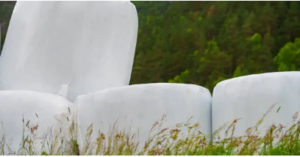
Silage Wrap: Silage Wrap For Hay Storage – Is It a Practical Option?

Bales wrapped with silage wrap significantly minimise exposure to elements that cause spoilage, leading to a decrease in waste. They also help preserve the nutritional quality of the forage and reduce physical losses from baling equipment.

Like net wrap, silage film is typically added with a UV stabiliser to prevent it from breaking down or deteriorating quickly. It helps ensure that your hay bales will maintain their feed value for an extended period.

1. Prevents Moisture From Entering

silage wrapSilage wrap helps to prevent rain and snow from entering hay bales, reducing moisture and spoilage. It also allows farmers to store the hay in a barn or other structure rather than building a dedicated storage facility which can be expensive and time-consuming to build.
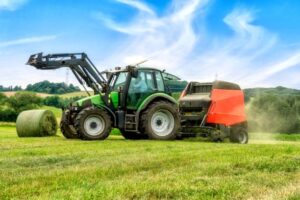
It’s important to wrap a bale within 24 hours of making it so that the fermentation process can begin. Bales wrapped after this time can lose dry matter and decrease lactic acid content, which impacts the quality of the feed.

2. Prevents Mold From Growing

White mould is often blamed for poor haylage quality or spoilage, but the truth is that bad wrapping practices usually cause it. Using silage wrap incorrectly can cause air to penetrate the bale, providing the perfect environment for fungi to grow and preventing lactic acid-generating bacteria from doing their job.

The best way to avoid these problems is to use a good wrapping machine that allows for a tight seal and apply the silage film correctly. Using the correct number of layers is important, as well as choosing a film with a puncture resistance appropriate for the crop being protected.

Wrapping should take place as soon as possible after the baling process, ideally within 24 hours of harvesting. Leaving bales unwrapped or delaying the process for longer than this can result in lower forage quality and increased levels of mould throughout the entire bale. It’s also important to store wrapped bales on washed gravel to reduce the risk of holes in the plastic causing leakage and contamination. It will also help reduce the risk of rodents entering the bale and introducing more contamination.

3. Prevents Combustion

The outer layer of hay is prone to moisture and oxygen, which can cause it to spoil. Wrapping the bales prevents this from happening and helps to keep the hay fresher for longer. That is why many producers recommend wrapping hay at or above 20% moisture.

Bales that are wrapped properly can retain their feed value for a year or more. Silage wrap protects a bale from the elements, mould and rot by creating an airtight environment that preserves the hay’s nutrients.

The silage wrap is typically made from quality LLDPE with UV stabilisers to prevent moulding and shock during transport. In addition, they are often available in different colours to increase visibility during storage and transport.

Both tube wrappers and bale wrappers can be used to wrap hay bales. The main difference is that a tube wrapper uses a continuous tube of plastic to wrap the bales, while a bale wrapper individually wraps each bale in a sheet of plastic.

Regardless of which wrapper you choose, it’s important to use the correct number of layers. Most wrappers will have a table in their operator’s manual that will indicate how many layers are required for different moisture levels. A higher number of layers will be necessary for drier bales. It is because drier hay has sharper stems that may poke through the first few layers of the film.

Bales of hay and straw are harvested and preserved to be used as fodder for animals during the winter. The bales are usually wrapped to keep them fresh.

The hay should be wrapped within 24 hours of baling. Wrapping at a moisture level under 45% will allow for the best fermentation and longer-term storage.

Silage Wrap: Silage Wrap Manufacturers

Silage wrap manufacturers produce a variety of LLDPE films that are used to preserve bales of hay and silage. These films prevent oxygen from entering the feed and control unwanted fermentation processes. They also protect crows and rodents during transport and storage. Their helpful staff will be happy to answer your questions and assist you in finding the right product for your needs.

Tama Australia stocks a range of high-quality silage film for round and square bales. These films are designed to withstand high-speed wrappers and Australian conditions. For more silage wrap manufacturer, check this out.

Benepak Packaging Co., Ltd.

silage wrapSFH-Elite is manufactured using co-extrusion technologies. This maximises the mechanical aspects of the film to produce a high-performance bale wrap. It possesses essential properties such as strength, puncture resistance, elasticity, UV stability and excellent cling. With these features, SFH-Elite offers consistent, trouble-free performance that enhances baling efficiency and throughput.

It also protects the bales from rodents and crows and enables a controlled anaerobic fermentation. This process results in better nutrient content and higher grass silage and chopped maise yields. Additionally, these films help keep the nutrition of the crops intact and prevent harmful bacteria from spoiling them.

Moreover, these films can be used for wrapping hay and other forms of fodder to preserve them. This is expected to drive the global silage wrap market shortly. The increasing demand for permanent pasture is also likely to boost the market. In addition, the rising number of egg consumers is expected to propel the market.

Luda Brand

Luda Brand is a top silage wrap manufacturer with a reputation for quality and reliability. They manufacture various LLDPE films designed to meet different agricultural needs, including bale wrapping. Their products are available in multiple widths and lengths, ensuring they can accommodate all bale sizes. For more silage wrap manufacturer, check this out.

This film is airtight, which means it can help preserve the nutrients of forage and maise. It can also prevent moisture evaporation and improve the forage’s tastefulness. It is also an affordable option for farmers, as it can be used multiple times before it needs to be replaced.

The story’s narrator, Luci LaBang, is an ageing drag queen whose starring role in a meta pantomime has been revived. She is tasked with mentoring Luda, an aspiring newcomer who has the potential to become her successor. A shared desire for beauty and power complicates their relationship.

Trioworld

The company manufactures silage wrap and other industrial plastic film. Its packaging material preserves fresh forage, preventing insects and harmful fungi from invading the feed. It also protects it from UV rays and holds nutritional value. It is made of environmentally friendly components and contains no toxic elements.

In addition to the traditional 25-micron bale wrap film, Trioworld has a full assortment of premium baled silage products with recycled content. This is based on post-consumer recycled plastic and certified by RecyClass**. The products have been tested and proven by contractors, machine manufacturers, and independent research institutes.

The global market for Silage Wrap Film is growing at a rapid pace. The report provides a comprehensive market analysis, including size, estimations, and forecasts. It offers a detailed overview of the key players operating in the global market. The report includes their competitive landscape, price, production/output, and value market share. The latest development plans and merger and acquisition information are also included. For more silage wrap manufacturer, check this out.

Tama Australia

Tama is Australia’s leading crop baling sales company, offering Netwrap cotton wrap, twine, silage film, and grain bags. They are committed to providing innovative solutions that maximise harvest productivity and help the environment simultaneously. They also support worthwhile charities and take their corporate responsibility seriously. Their pink, blue, and yellow bales have raised breast, prostate, and child cancer awareness. In addition, they contribute to Plasback, which operates a product stewardship scheme that helps recover used farm plastics for recycling.

To learn more about the products and services offered by Tama, you can visit their website. You can also contact them directly via phone or email. Their helpful staff will be happy to answer your questions and assist you in finding the right product for your needs.

Newer posts »