Asbestos fibres released into the air can be inhaled, leading to damage to lung tissue and health complications such as asbestosis and lung cancer. Friable asbestos-containing materials (ACM), including floor tiles, mastic, siding or insulation products, may release fibres more frequently into the environment than others.
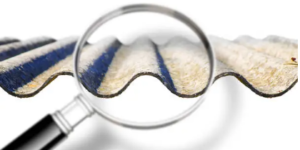 Non-friable ACM is not subject to regulation by the department unless it becomes friable during renovation or demolition activities. If such work requires sanding, dry scraping, or cutting of nonfriable ACM material for renovation projects, a notification should be submitted as a courtesy notice to ensure compliance.
How do I know if my home has non-friable asbestos?
Non-friable asbestos testing Adelaide refers to materials containing only small amounts of asbestos that cannot be reduced into powder by hand pressure. When left undisturbed, non-friable materials pose little threat to surrounding communities’ health; however, when disturbed, they could release tiny fibres into the air that may be inhaled and cause health concerns for all those nearby.
Friable asbestos-containing materials (ACMs) require being easily damaged or degraded and releasing inhalable fibres into their environment, becoming friable. Even non-friable forms like vermiculite insulation may become friable when disturbed, potentially releasing inhaled asbestos fibres into their surroundings that could then be inhaled directly.
As such, it is strongly advised that if you suspect your home might contain non-friable asbestos, a non-friable asbestos testing Adelaide perform an inspection and analysis first before initiating any DIY work on it yourself. An asbestos inspector will assess its condition to ascertain if any non-friable asbestos has become friable and requires removal by themselves while simultaneously collecting air samples to check for inhaled asbestos particles in the surrounding air.
Are non-friable asbestos materials safe to be around?
Non-friable asbestos materials are only harmful when they become disturbed and release fibres into the air, such as when disturbed by physical trauma such as abrasion, heat or water damage, wear-and-tear wear or environmental factors. Non-friable asbestos is safer because fibres are held tighter in their structure that are less likely to escape into the atmosphere.
Non-friable asbestos products like decorative, soundproofing and fireproofing products applied via spray application or trowelling are usually considered safe in any building unless damaged and crumbling easily. Common examples include asbestos drywall compounds, plaster joint compounds, ceiling tiles, and wallboards found throughout older properties.
Friable asbestos-containing materials (ACM) are considered more hazardous, as they can be crumbled into powder with little hand pressure and sanded, sawed, or cut to release fibres into the air. Therefore, this form of ACM must be handled by a licensed abatement contractor, managed with care, and followed by strict protocols regulating asbestos abatement procedures.
Are non-friable asbestos materials safe to remove on your own?
Asbestos can cause many health issues, including asbestosis, mesothelioma and lung cancer. When its fibres become airborne, they can be inhaled into the body through breathing and ingestion – this often happens during demolition or renovation projects where disturbance creates airflow disturbance.
Non-friable asbestos waste materials such as roofing and cement pipe removed whole can be safely disposed of at local landfills licensed to accept solid waste disposal. However, any materials damaged during removal could become friable and pose a danger to workers and residents in the vicinity.
Are non-friable asbestos materials safe to dispose of?
Friable asbestos products come in two varieties, friable and non-friable. Friable materials include any asbestos-containing material (ACM), which can be crumbled down with slight pressure from your hand into powder, making it more dangerous because toxic fibres released into the atmosphere may easily enter humans’ lungs through inhalation.
Non-friable asbestos products, bonded or cement-based asbestos products, are tightly bound together and do not release dangerous fibres into the air when left undisturbed. Over time however, if damaged or weathered over time, they may become brittle and more hazardous when disturbed.
If you live in an older house, non-friable asbestos materials may still exist within its walls and ceilings – typically fibrous material such as fibro, asbestos cement or AC sheeting used as insulation, fireproofing and soundproofing measures in domestic settings.